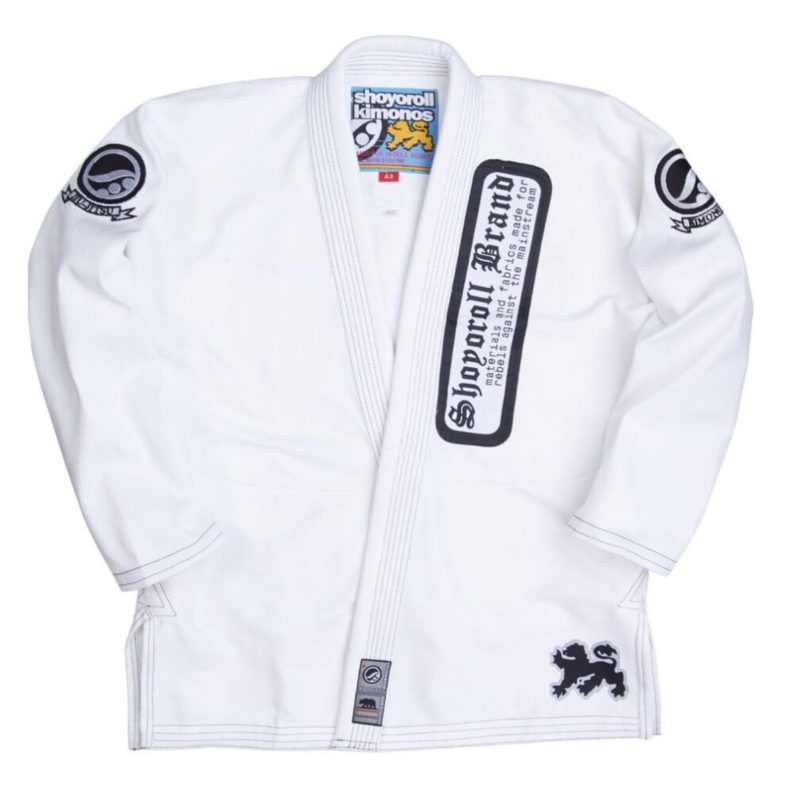

The Different Parts of a Brazilian Jiu-Jitsu Gi
A Brazilian Jiu-Jitsu Gi is more than just a jacket and a pair of pants. Every part of a BJJ Gi has a specific purpose, from the reinforced collar and sleeves to the durable knees and drawstring system.
Understanding the different BJJ Gi parts can help beginners choose the right uniform and help experienced practitioners select a Gi that matches their training style.
Whether you are buying your first Gi or upgrading your current training gear, knowing what to look for can make the purchasing process much easier.
In this guide, we will explain the main parts of a Brazilian Jiu-Jitsu Gi, what each component does, and which features you should consider before buying. griplinegear.com
What Is a Brazilian Jiu-Jitsu Gi?
A Brazilian Jiu-Jitsu Gi is a traditional grappling uniform consisting primarily of a Gi jacket and Gi pants. Practitioners use the fabric of the uniform as part of the gripping and control mechanics of BJJ.
Unlike ordinary martial arts uniforms, a BJJ Gi needs to withstand pulling, gripping, stretching, and repeated washing.
A quality Gi therefore needs a combination of:
- Durable fabric
- Strong stitching
- Reinforced areas
- Comfortable fit
- Appropriate sleeve length
- Durable pants
- Secure waist system
- Comfortable collar
The right combination of these features can make a significant difference during regular training.
Main Parts of a Brazilian Jiu-Jitsu Gi
A typical BJJ Gi consists of several important components:
- Gi jacket
- Collar and lapels
- Sleeves
- Cuffs
- Gi pants
- Waistband
- Drawstring
- Knee reinforcements
- Seams and stitching
- Belt
Let’s examine each part in detail.
1. BJJ Gi Jacket
The Gi jacket is the main upper-body portion of the uniform.
It covers your torso and arms and is designed to withstand constant gripping during training.
A BJJ Gi jacket typically includes:
- Collar
- Lapels
- Sleeves
- Cuffs
- Reinforced seams
- Jacket skirt
- Waist area
The jacket is one of the most important parts of the uniform because your training partner will frequently grab it during techniques and sparring.
What to Look For in a Gi Jacket
When purchasing a Brazilian Jiu-Jitsu Gi, look for:
- Strong stitching
- Durable fabric
- Comfortable fit
- Reinforced stress points
- Appropriate sleeve length
- A collar that isn’t excessively loose
A jacket should allow you to move freely without being excessively large.
If you’re unsure which Gi style is right for you, check our guide to the Best BJJ Gi for Training.
2. BJJ Gi Collar and Lapels
The collar is one of the most recognizable parts of a Brazilian Jiu-Jitsu Gi.
The collar runs around the neck and forms the front lapels of the jacket.
During BJJ training, the collar can be used for numerous grips and techniques. Because of this, it needs to be strong enough to withstand repeated pulling.
Common Gi Collar Features
Depending on the Gi design, you may find:
- Thick collar construction
- Reinforced stitching
- Rubberized or flexible material inside the collar
- Multiple layers of fabric
- Different collar thicknesses
A sturdy collar can improve durability, especially for practitioners who train frequently.
However, a collar should still be comfortable around your neck.
3. BJJ Gi Sleeves
The sleeves extend from the shoulders to the wrists.
Sleeves are particularly important because they are frequently grabbed during:
- Grip fighting
- Guard passing
- Arm control
- Sweeps
- Submissions
- Gi-specific techniques
A sleeve that is too short can affect comfort and may fail competition requirements. A sleeve that is excessively long can also interfere with training and may not comply with tournament regulations.
For competition, always check the rules of the organization hosting your event.
The International Brazilian Jiu-Jitsu Federation (IBJJF) publishes official rules and competition requirements.
4. Gi Sleeve Cuffs
At the end of each sleeve is the cuff.
The cuff provides structure around the wrist and helps prevent the sleeve from becoming excessively loose.
Because training partners frequently grip sleeves, cuffs experience considerable stress.
A quality cuff should have:
- Strong stitching
- Durable fabric
- Clean finishing
- Comfortable construction
Poorly constructed cuffs can become one of the first areas to show wear on a frequently used Gi.
5. BJJ Gi Pants
The second major component of a Brazilian Jiu-Jitsu Gi is the Gi pants.
BJJ pants are designed to withstand:
- Squatting
- Guard work
- Bridging
- Shrimping
- Takedowns
- Scrambling
- Knee movement
- Repeated pulling
A good pair of Gi pants should provide enough room for movement without being excessively loose.
What Makes Good BJJ Gi Pants?
Look for:
- Durable fabric
- Reinforced knees
- Strong seams
- Secure waistband
- Comfortable fit
- Appropriate length
Pants should allow you to move your hips and legs freely while maintaining their structural integrity during training.
6. BJJ Gi Waistband
The waistband keeps your Gi pants securely positioned during training.
Unlike regular trousers, BJJ pants need to stay in place while you:
- Roll
- Invert
- Wrestle
- Shrimp
- Bridge
- Perform takedowns
A good waistband should feel secure without being uncomfortable.
Different Gis use different waist systems, including elastic sections, drawstrings, or combinations of both.
7. BJJ Gi Drawstring
Many traditional BJJ Gi pants use a drawstring to adjust the waist.
The drawstring allows you to tighten or loosen the pants according to your body shape.
When evaluating a Gi, check whether the drawstring:
- Is long enough to adjust easily
- Is securely attached
- Does not fray easily
- Is easy to tighten
- Remains secure during training
A reliable drawstring may seem like a small feature, but it becomes very important during hard sparring sessions.
8. Reinforced BJJ Gi Knees
The knees are one of the highest-stress areas of Gi pants.
During BJJ training, your knees repeatedly contact the mat while performing movements such as:
- Guard passing
- Knee slides
- Takedowns
- Technical stand-ups
- Wrestling drills
- Ground movement
For this reason, many quality BJJ Gis use reinforced knee panels.
Why Are Reinforced Knees Important?
They can help:
- Reduce fabric wear
- Improve durability
- Protect high-stress areas
- Extend the life of the pants
If you train several times per week, reinforced knees are an especially useful feature to consider.
9. Gi Seams and Stitching
The fabric is important, but stitching is equally important.
BJJ places significant stress on seams because training partners constantly pull the uniform in different directions.
Look closely at:
- Shoulder seams
- Sleeve seams
- Side seams
- Crotch seams
- Knee seams
- Pant cuffs
- Collar stitching
High-stress areas should have appropriate reinforcement.
Before buying a Gi, inspect product photographs carefully for stitching quality and reinforcement.
10. BJJ Gi Belt
The belt is worn around the waist and helps secure the Gi jacket.
It also represents a practitioner’s rank within Brazilian Jiu-Jitsu.
The commonly recognized BJJ belt progression for adults is:
White → Blue → Purple → Brown → Black
Some organizations have additional belts or different systems for children.
The belt is normally purchased separately from the Gi.
How Does a BJJ Belt Work?
The belt is wrapped around the waist and tied securely so that the jacket stays in position during training.
A properly tied belt should remain secure but should not be unnecessarily tight.
BJJ Gi Patches and Branding
Another important part of a modern Gi is the patch area.
Many practitioners customize their Gis with academy patches, team logos, manufacturer branding, or competition-approved patches.
However, you should be careful when adding patches.
Competition organizations can have specific requirements concerning:
- Patch placement
- Patch size
- Material
- Location
- Design
If you plan to compete, check the regulations of your specific organization before adding patches.
For IBJJF competition, consult the official IBJJF rules and regulations.
Different Types of BJJ Gi Fabric
The fabric used in a Gi can affect its weight, comfort, durability, and overall feel.
Common constructions include:
Single Weave
Single-weave Gis are generally lighter and can be comfortable for everyday training.
Pearl Weave
Pearl weave is widely used in modern BJJ Gis and offers a balance between weight and durability.
Gold Weave
Gold weave Gis are traditionally associated with a more substantial construction.
Ripstop Pants
Ripstop is commonly used for lightweight Gi pants and is designed to provide durability while keeping weight relatively low.
Lightweight vs Heavyweight BJJ Gi griplinegear.com
Not every practitioner needs the same type of Gi.
Lightweight BJJ Gi
A lightweight Gi can be ideal for:
- Hot weather
- Frequent training
- Travel
- Summer training
- Practitioners who prefer less bulk
Read our detailed article about Lightweight BJJ Gi Benefits to learn more.
Heavyweight BJJ Gi
A heavyweight Gi may appeal to practitioners who prefer:
- A more substantial feel
- Extra fabric
- Cold-weather training
- Heavy-duty construction
The best option depends on your training environment and personal preferences.
How Should a Brazilian Jiu-Jitsu Gi Fit? Bjj Uniform
Understanding the parts of a BJJ Gi is only half the process. You also need the correct size.
Your Gi should be:
- Comfortable
- Secure
- Flexible
- Not excessively tight
- Not excessively loose
The sleeves and pants should have appropriate length, while the jacket should allow normal movement.
Avoid choosing a Gi simply based on your normal clothing size. BJJ manufacturers can use different sizing systems.
Always check the manufacturer’s size chart before ordering.
How to Choose the Right Brazilian Jiu-Jitsu Gi
Before purchasing your next Gi, consider these factors:
1. Training Frequency
If you train several times per week, durability should be a major consideration.
2. Climate
If you train in a hot environment, consider a lightweight construction.
3. Fit
Choose the correct size according to the manufacturer’s size chart.
4. Fabric
Consider whether you prefer lightweight, medium-weight, or heavier construction.
5. Reinforcement
Look for reinforced knees and strong stitching.
6. Competition Requirements
If you compete, make sure the Gi meets your organization’s current requirements.
7. Your Budget
A higher price does not automatically guarantee a better Gi. Look for the right combination of construction, fit, durability, and comfort.
How to Take Care of Your BJJ Gi
Even a high-quality Gi can wear out quickly if it is not properly maintained.
Follow these basic care tips:
Wash your Gi after every training session.
Never leave a sweaty Gi inside your gym bag for long periods.
Follow the manufacturer’s washing instructions.
Different fabrics may have different care requirements.
Avoid excessive heat.
High temperatures can contribute to shrinkage and fabric damage.
Dry the Gi completely.
Do not store a damp Gi.
Inspect it regularly.
Look for loose stitching, tears, damaged knees, or worn areas.
Proper care can help your Brazilian Jiu-Jitsu Gi last longer.
Why Choose the Right BJJ Gi?
A Gi is one of the most important pieces of equipment for Gi-based Brazilian Jiu-Jitsu training.
The right uniform should provide a combination of:
- Comfort
- Mobility
- Durability
- Proper fit
- Strong construction
- Appropriate weight
Instead of choosing a Gi based only on appearance, examine the construction of the jacket, collar, sleeves, pants, knees, waistband, and stitching.
Understanding these components helps you make a more informed purchase.
Shop Brazilian Jiu-Jitsu Gear at GriplineGear
Looking for your next Brazilian Jiu-Jitsu Gi?
At GriplineGear, you can explore BJJ training gear designed for grapplers.
Browse our BJJ Gi collection and find the right option for your training needs.
If you also train No-Gi, check out our BJJ Rash Guards for additional training apparel.
Whether you’re a beginner attending your first BJJ class or an experienced practitioner upgrading your training gear, choosing the right equipment can help you train comfortably and confidently.
Frequently Asked Questions About BJJ Gi Parts
What are the main parts of a BJJ Gi?
The main parts include the Gi jacket, collar, lapels, sleeves, cuffs, pants, waistband, drawstring, reinforced knees, seams, and belt.
What is the most important part of a BJJ Gi?
There is no single most important part. The jacket, collar, sleeves, pants, stitching, and reinforced areas all contribute to the Gi’s overall performance and durability.
Why are BJJ Gi knees reinforced?
The knees experience significant contact with the mat and repeated stress during grappling. Reinforcement can improve durability in this high-wear area.
What is the collar used for in BJJ?
The collar is frequently used as a gripping surface during Gi techniques. A strong collar can therefore be important for durability.
Should a BJJ Gi be tight or loose?
A BJJ Gi should provide enough room for movement without being excessively loose. The exact fit should also comply with your academy or competition requirements.
What fabric is best for a BJJ Gi?
There is no single best fabric for everyone. Lightweight, pearl-weave, gold-weave, and other constructions each offer different combinations of weight, durability, and comfort.
Can I customize my BJJ Gi with patches?
You can usually customize a Gi for training, but competition organizations may have specific rules about patch placement and design. Always check the current rules before competing.
How often should I wash my BJJ Gi?
You should wash your Gi after every training session. This helps maintain hygiene and prevents sweat and odors from building up.
Final Thoughts
Understanding the different parts of a Brazilian Jiu-Jitsu Gi makes it easier to choose a uniform that matches your training needs.
From the jacket and collar to the sleeves, pants, reinforced knees, waistband, and stitching, every component has a role to play.
When shopping for a BJJ Gi, don’t focus only on color or design. Pay attention to fit, fabric, stitching, reinforcement, comfort, weight, and durability.
If you’re ready to upgrade your training gear, visit GriplineGear and explore our BJJ equipment collection.
Train hard. Stay comfortable. Roll with confidence.
GriplineGear — Gear Built for the Mat.